Gorgonians
·Coral🌊 Gorgonians in the Costa del Sol – Where to See Them Near Estepona & Sotogrande Gorgonians
🌊 Gorgonians in the Costa del Sol – Where to See Them Near Estepona & Sotogrande
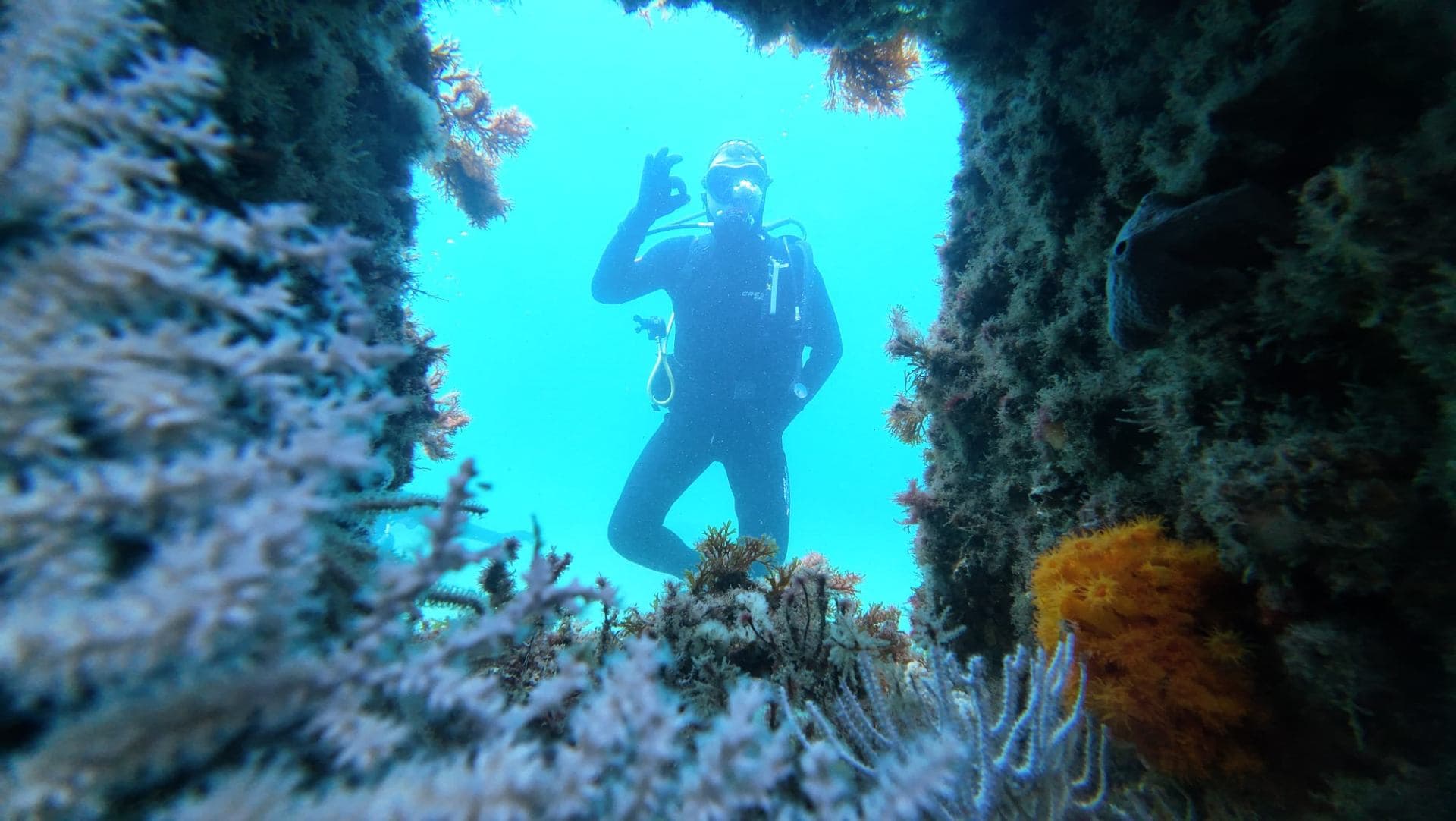
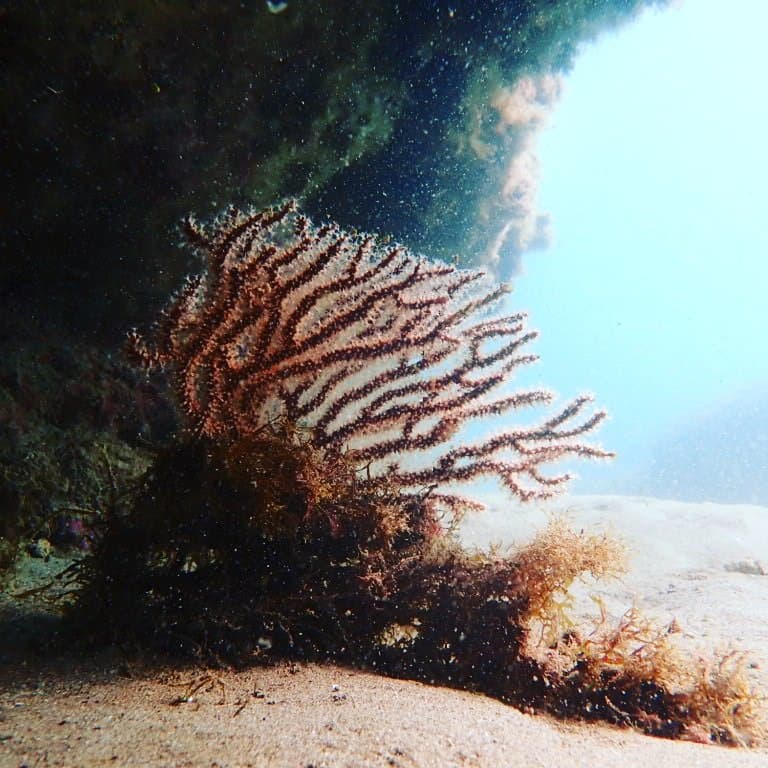
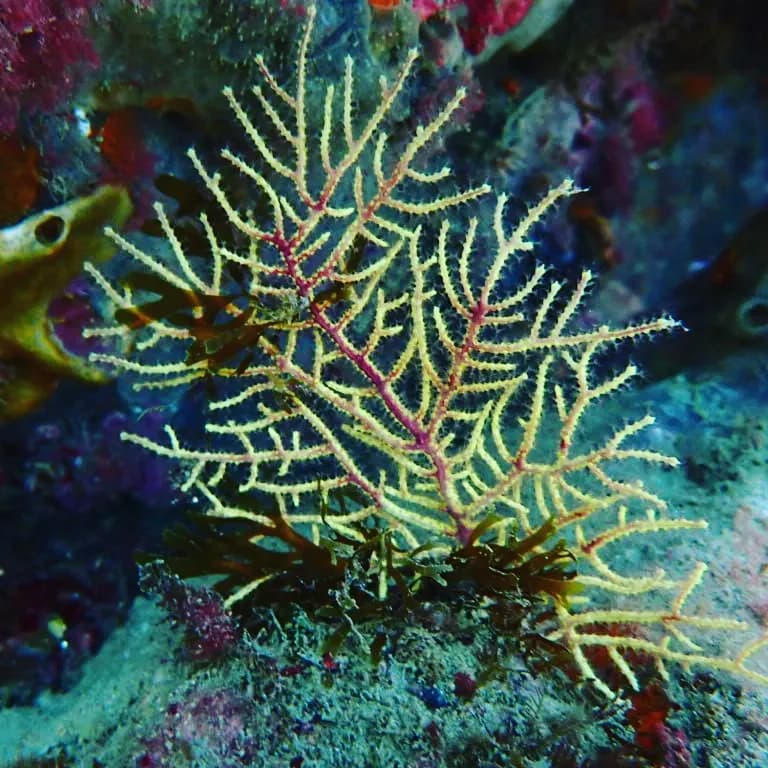
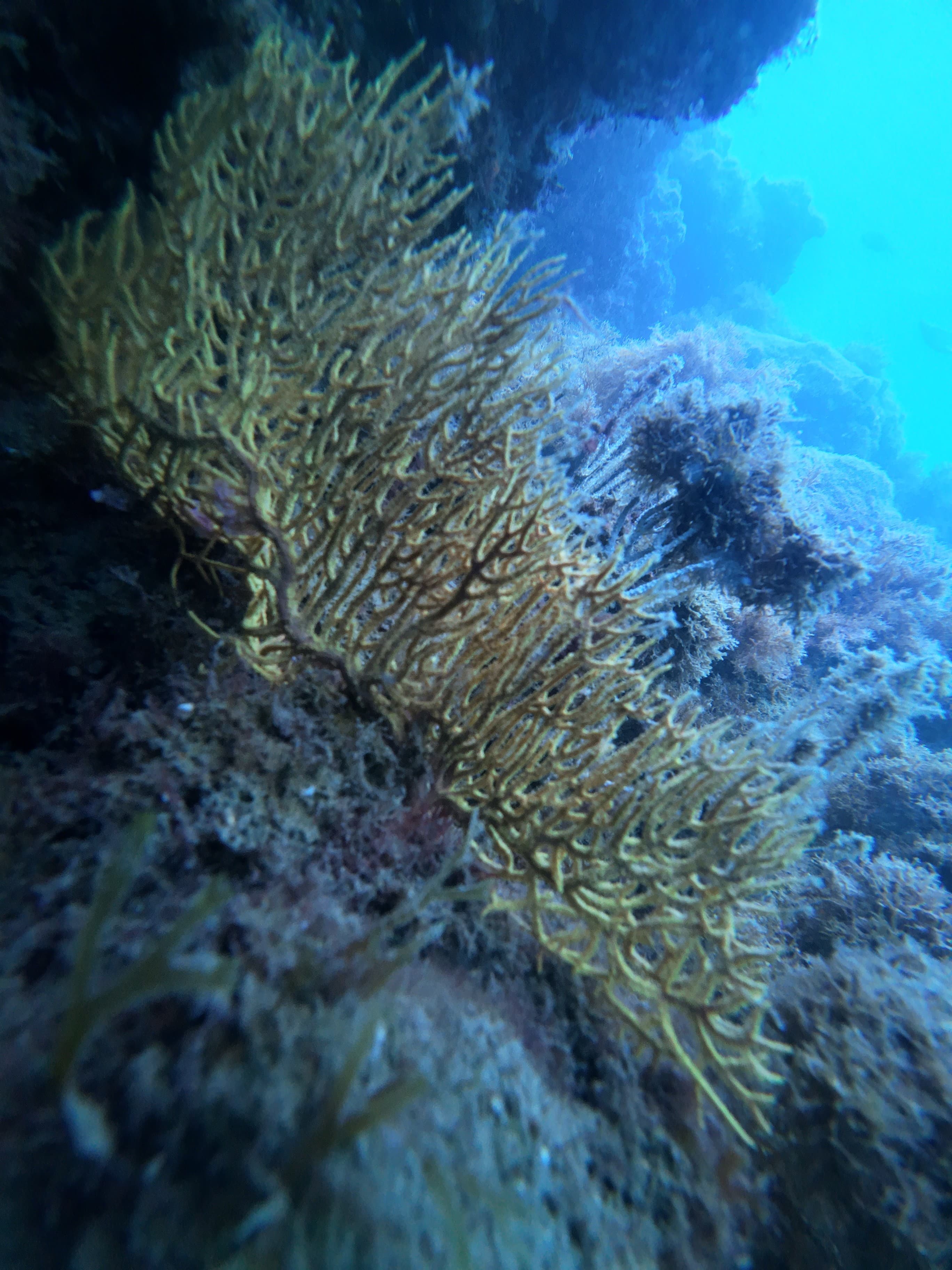
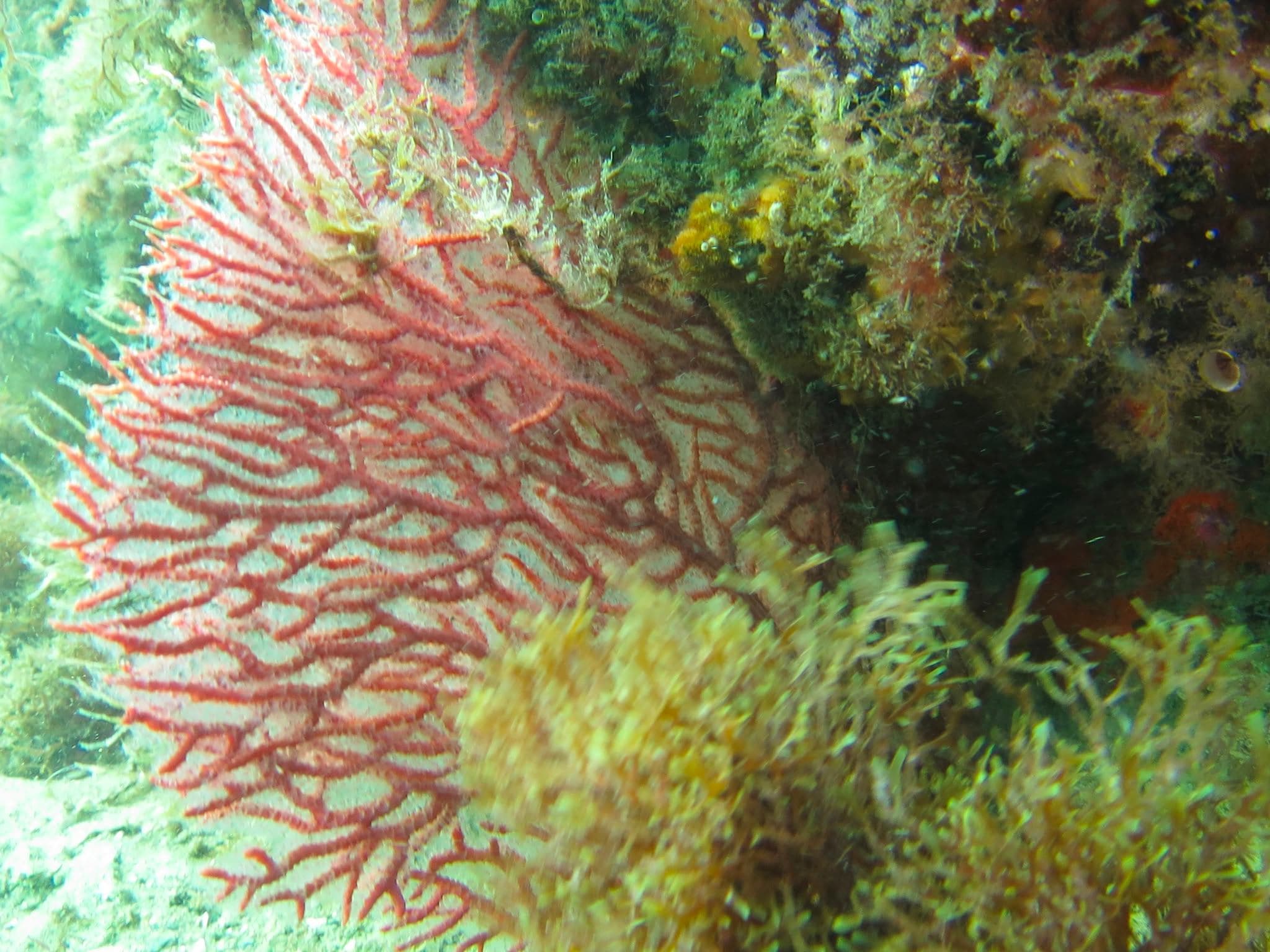
are among the Mediterranean’s most spectacular soft corals, forming elegant underwater fans that sway gently in the current. These colonial cnidarians grow into branching, tree-like structures, sometimes reaching over a meter in height. Their tiny polyps extend to feed on plankton, creating a stunning display that looks like living lace underwater. Along the Costa del Sol, gorgonians can be found on deeper dive sites around Estepona, Casares Coast, Sotogrande, and San Roque. They typically grow on rocky walls, steep drop-offs, cave entrances, and shaded overhangs, usually between 15 and 50 meters depth. The underwater topography in this part of southern Spain is ideal for gorgonians, especially along vertical reef walls where currents bring a constant supply of nutrients. Around dive sites in Estepona and Sotogrande, you’ll often find vibrant purple and yellow gorgonian colonies forming true underwater forests. The best time to observe gorgonians is during light to moderate currents, when their polyps fully open to feed. This is when they transform from simple branches into dynamic, living structures. Early morning dives along the Casares and San Roque coastline often offer the best conditions, with excellent visibility and increased marine activity. For divers, gorgonians are a highlight of diving on the Costa del Sol. These living structures attract a wide range of marine life, including small reef fish, nudibranchs, and crustaceans. They act as natural shelters and nurseries, making each gorgonian-covered wall feel like a thriving underwater ecosystem. Whether you’re exploring deeper dive sites near Sotogrande or discovering new locations around Estepona, encountering gorgonians is always a memorable part of any Mediterranean dive.
Gorgonians are among the Mediterranean’s most spectacular soft corals, forming elegant underwater fans that sway gently in the current. These colonial cnidarians grow into branching, tree-like structures, sometimes reaching over a meter in height. Their tiny polyps extend to feed on plankton, creating a stunning display that looks like living lace underwater. Along the Costa del Sol, gorgonians can be found on deeper dive sites around Estepona, Casares Coast, Sotogrande, and San Roque. They typically grow on rocky walls, steep drop-offs, cave entrances, and shaded overhangs, usually between 15 and 50 meters depth. The underwater topography in this part of southern Spain is ideal for gorgonians, especially along vertical reef walls where currents bring a constant supply of nutrients. Around dive sites in Estepona and Sotogrande, you’ll often find vibrant purple and yellow gorgonian colonies forming true underwater forests. The best time to observe gorgonians is during light to moderate currents, when their polyps fully open to feed. This is when they transform from simple branches into dynamic, living structures. Early morning dives along the Casares and San Roque coastline often offer the best conditions, with excellent visibility and increased marine activity. For divers, gorgonians are a highlight of diving on the Costa del Sol. These living structures attract a wide range of marine life, including small reef fish, nudibranchs, and crustaceans. They act as natural shelters and nurseries, making each gorgonian-covered wall feel like a thriving underwater ecosystem. Whether you’re exploring deeper dive sites near Sotogrande or discovering new locations around Estepona, encountering gorgonians is always a memorable part of any Mediterranean dive.
Spotted at These Dive Sites
Coming soon — dive sites integration.